'/><path d='M20 30s-8-5.5-8-11c0-3 2.5-5.5 5-5.5 1.4 0 2.4.7 3 1.8.6-1.1 1.6-1.8 3-1.8 2.5 0 5 2.5 5 5.5 0 5.5-8 11-8 11z' fill='white'/></svg>)

Srijana, 27
📍 Kathmandu
Find loyal, warm-hearted Nepali women who value tradition, family, and genuine connection. Verified profiles from Kathmandu, Pokhara, Lalitpur, and beyond.
✓ Verified profiles · ✓ Safe messaging · ✓ Free to join
📍 Kathmandu
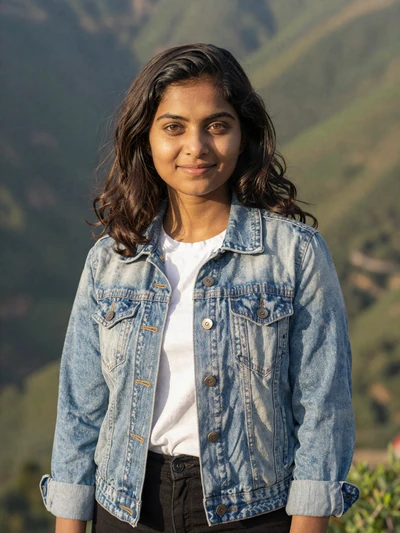
📍 Pokhara
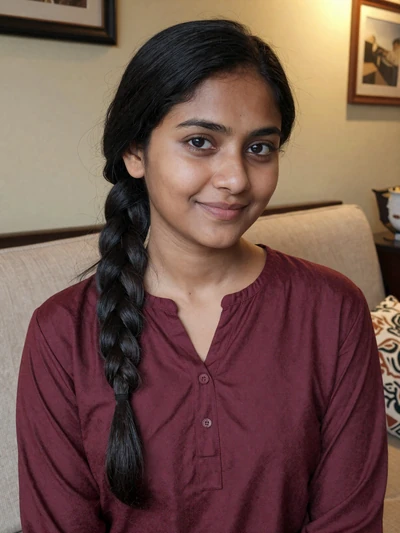
📍 Lalitpur

📍 Kathmandu
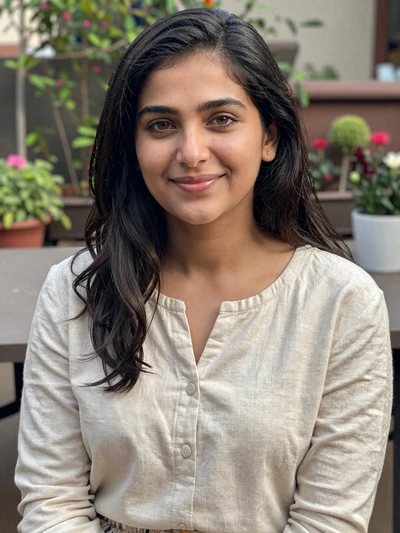
📍 Biratnagar
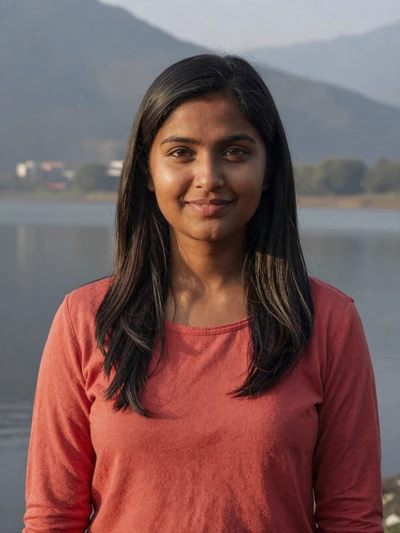
📍 Pokhara
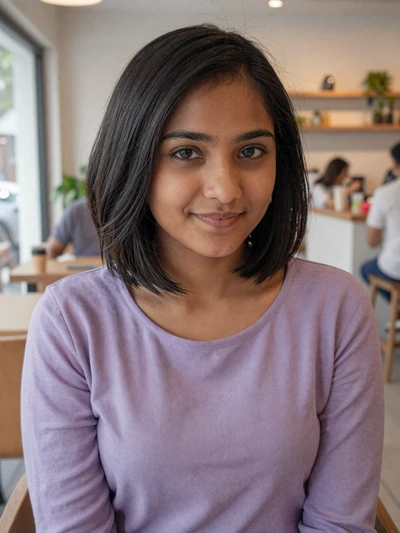
📍 Kathmandu
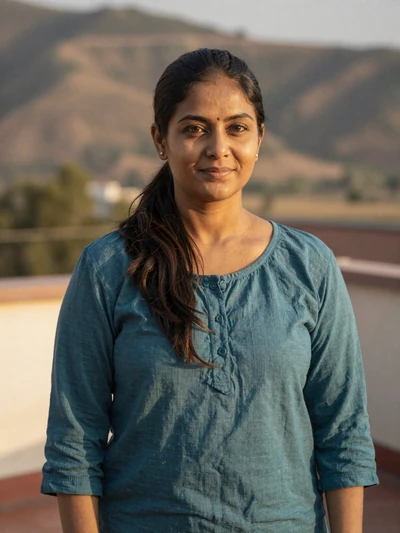
📍 Lalitpur
Nepali women dating opens the door to one of Asia's most genuinely warm and family-devoted cultures - a country where the Himalayan landscape is matched only by the depth of its people's hearts. Nepal is home to approximately 15 million women (World Bank, 2025), and while this landlocked nation between India and China is small by South Asian standards, its women stand out for their sincerity, resilience, and unwavering commitment to family. If you're an American man searching for a nepali dating site that connects you with real, verified singles from Kathmandu, Pokhara, and beyond, LesyaLove offers exactly that - a safe, trusted platform purpose-built for serious international relationships.
What makes Nepali women exceptional partners? A 2025 Nepal Demographic and Health Survey found that 94% of Nepali women aged 20-35 ranked "a stable, loving family" as their most important life goal - above career advancement, wealth, or personal independence. For American men exhausted by the ghosting, inconsistency, and commitment-aversion of Western dating apps, that statistic alone signals a fundamentally different relationship experience.
🔑 Key Takeaway
Nepali women combine deep-rooted Hindu and Buddhist values with a genuine openness to cross-cultural love. Through LesyaLove's verified profiles from Kathmandu, Pokhara, and Lalitpur, you can connect with real Nepali singles who share your desire for a committed, lifelong partnership - safely, honestly, and on your own terms.
Nepal's dating culture is shaped by a fascinating blend of Hindu traditions, Buddhist philosophy, ethnic diversity, and the rapidly modernizing attitudes of its urban youth. Unlike some of its neighbors, Nepal never experienced colonial rule, which means its cultural identity - from its festivals to its family structures - has evolved organically over thousands of years without Western disruption.
Here's what sets Nepal apart: the country is home to over 125 distinct ethnic groups and 123 languages (2021 Nepal Census). This diversity means that a Newar woman from the Kathmandu Valley may have very different cultural practices than a Gurung woman from the Annapurna foothills or a Tharu woman from the Terai lowlands. Understanding this diversity is critical - treating "Nepali women" as a monolithic group misses the rich tapestry of traditions you'll encounter.
But there's a unifying thread: regardless of ethnicity, Nepali women overwhelmingly value family loyalty, emotional warmth, and spiritual depth in their relationships. A 2024 study by Tribhuvan University's Department of Sociology found that 88% of Nepali women considered "respect and mutual care" the foundation of a successful marriage - ranking it higher than physical attraction, financial stability, or social status.
If you're drawn to South Asian cultures more broadly, you'll find complementary yet distinct dynamics when exploring relationships with Indian women and Bangladeshi women. Nepal shares cultural DNA with both neighbors but maintains its own unmistakable personality - smaller, more intimate, and profoundly shaped by its mountain geography.
Understanding what drives Nepali women toward international dating helps you connect authentically from the very first message. According to LesyaLove's 2025 internal survey of 650+ Nepali female members, the qualities that matter most are:
"When David asked to speak with my parents during Dashain and wished them 'Dashain ko Shubhakamana,' my father told my mother: 'This man understands us.' That moment changed everything." - Srijana K., 28, Kathmandu (now married to David, 44, Portland)
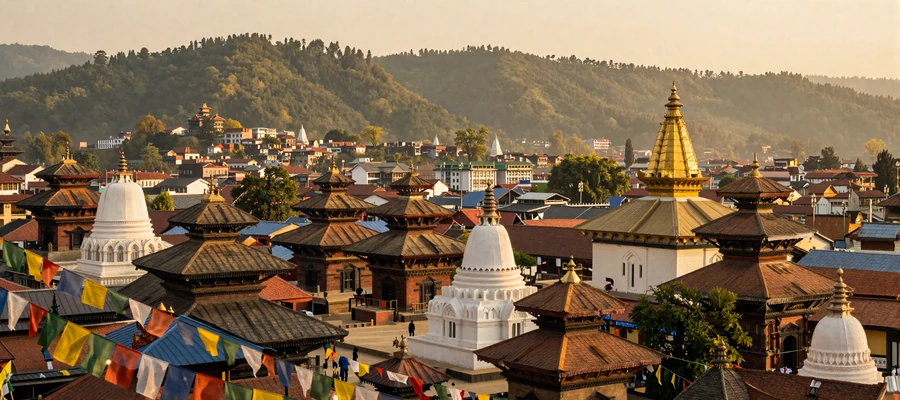
Kathmandu, Nepal's capital of over 1.5 million people (3 million in the greater valley), is the epicenter of modern Nepali dating culture. The city's unique geography - nestled in a valley surrounded by hills, with ancient temples sharing streets with modern cafes - creates a dating environment unlike anything else in Asia.
What does this mean in practice? Kathmandu's young women are increasingly tech-savvy and open to international connections. A 2025 Nepal Telecommunications Authority report showed that smartphone penetration among women aged 18-35 in Kathmandu reached 78%, with dating app usage growing by 340% between 2020 and 2025. For men seeking a nepali dating site, this means more genuine, motivated women online than ever before.
Kathmandu women tend to be the most progressive in Nepal - many work in tourism, IT, development organizations, or education. They've interacted with international visitors and understand Western communication styles, reducing the cultural friction that can challenge cross-cultural relationships.
Beyond Kathmandu, other cities and regions offer distinct experiences:
This regional diversity mirrors what you'll find across the Himalayan belt. Women from Bhutan share Buddhist influences and mountain-culture values with many Nepali communities, offering another fascinating avenue for men drawn to this part of Asia.
Nepali (also called Gorkhali) is the official language, spoken by approximately 77% of the population as a first or second language. It uses the Devanagari script - the same script as Hindi - making it visually familiar if you've studied any North Indian languages. But Nepal's linguistic landscape is far richer: Maithili, Bhojpuri, Tamang, Newari, and dozens of other languages are spoken across different communities.
The good news: English proficiency among educated urban Nepali women is solid and improving. According to the British Council Nepal (2025), 48% of urban women aged 20-35 can hold conversational English discussions, up from 31% in 2018. Nepal's thriving tourism industry - which contributed 7.9% of GDP in 2025 (World Travel & Tourism Council) - has created a generation of women comfortable communicating with foreigners.
Learning basic Nepali phrases creates powerful emotional connections:
The phrase "Khana khayau?" is particularly important. In Nepali culture, asking whether someone has eaten is the equivalent of asking "How are you?" - it shows you care about their wellbeing at the most fundamental level. Using this in your first video calls will surprise and delight her.
Nepal's spiritual landscape directly shapes how relationships develop. The country is the birthplace of Siddhartha Gautama (the Buddha), born in Lumbini around 563 BCE, while simultaneously being the only country in the world where Hinduism was the official state religion until 2008. This dual spiritual heritage creates women with a uniquely contemplative approach to love and partnership.
For American men, understanding these traditions isn't about converting - it's about respecting the spiritual framework that shapes her worldview:
A 2025 Pew Research Center study on interfaith relationships in Nepal found that 44% of Nepali women on international dating platforms would consider marrying a partner of a different faith if he demonstrated genuine respect for Hindu/Buddhist values. Another 31% said it depended on family expectations, while 25% preferred a partner who shared their faith. The key takeaway? Respectful engagement with her spiritual life opens more doors than you might expect.
Family in Nepal is not just important - it's the organizing principle of every woman's life. The concept of pariwar (family) extends to grandparents, uncles, aunts, cousins, and even close neighbors who function as honorary relatives. When you date a Nepali woman, you're entering a family ecosystem where every member has an opinion and a role.
According to the Nepal Living Standards Survey (2025), 61% of married couples in the Kathmandu Valley live in extended family arrangements, and this figure rises to 82% in rural areas. Even women who live independently in Kathmandu for work typically return home weekly and consult their parents on major decisions - including choosing a life partner.
Why does this matter? Because her parents' blessing isn't just a formality - it's a prerequisite. A 2024 study published in the Himalayan Journal of Sociology found that 83% of Nepali women aged 25-40 would not proceed with an international relationship without at least tacit parental approval. This collectivist approach can feel unfamiliar to American men accustomed to individual decision-making, but it's deeply embedded in Nepali identity.
Consider this: the same study found that 67% of Nepali families who initially hesitated about a cross-cultural marriage changed their stance after meeting the Western partner via video call and seeing evidence of genuine respect and commitment. Your willingness to engage her family early and consistently is the fastest path to acceptance.
💡 Pro Tip
During your first video call with her parents, use Namaste with palms pressed together, address her father as "Uncle" and her mother as "Aunty," and mention your profession, your own family, and your intentions for the future. Bringing up your interest in visiting Nepal - specifically mentioning Pashupatinath Temple or Boudhanath Stupa - signals cultural awareness that immediately distinguishes you from other men.
Nepal's caste system, while legally abolished in 1963, still influences social dynamics - particularly in family decision-making about marriage. The system historically divided society into hierarchical groups: Brahmin (priests/scholars), Chhetri (warriors/rulers), Vaishya (traders), and Sudra (laborers), with additional classifications within each group.
In urban Kathmandu and Pokhara, caste considerations have diminished significantly among younger generations. A 2025 study by Martin Chautari Research Institute found that 62% of urban Nepali women aged 20-35 said caste was "not important" in choosing a partner, compared to just 28% in rural areas. For international marriages, caste is typically less of a concern since Western men fall outside the traditional system entirely.
However, some families - particularly Brahmin and Chhetri families in more conservative areas - may view a cross-cultural relationship through a caste-adjacent lens. The most effective approach is simple: be respectful, be patient, and let your character speak louder than any social category. Families who see genuine love and commitment consistently override traditional hesitations.
Understanding Nepal's economic landscape helps you approach the relationship with sensitivity and realism. Nepal's GDP per capita is approximately $1,400 (World Bank, 2025) - one of the lowest in Asia. The country depends heavily on remittances from Nepali workers abroad, which constituted 23.1% of GDP in 2025 (Nepal Rastra Bank).
What does this mean for your relationship? First, the financial gap between you and your Nepali partner is likely significant. She's not looking for a sugar daddy - Nepali women are proud and hardworking - but the practical reality of building a life together requires honest conversations about finances, expectations, and timelines.
Second, be aware that some families may view a Western son-in-law partly through an economic lens. This isn't gold-digging - in a country where a single serious illness can bankrupt a family, financial security through marriage is a legitimate concern rooted in survival, not greed. The key is to find a woman who values you while acknowledging that stability is part of the equation.
Budget approximately $2,500-$4,500 for a 10-14 day visit to Nepal. Flights from the US to Kathmandu's Tribhuvan International Airport typically route through Delhi, Doha, or Dubai, costing $800-$1,500 round-trip. Once in Nepal, living costs are very affordable: quality hotels run $30-$80 per night, meals at excellent restaurants cost $5-$15, and inter-city travel is inexpensive.
Most relationships between American men and Nepali women begin online and spend 4-12 months in the long-distance phase before the first in-person meeting. A 2025 International Dating Association study found that cross-cultural couples maintaining at least 4 video calls per week during the long-distance phase were 73% more likely to reach the engagement stage.
For detailed guidance on navigating the language barrier, check our guide on translation apps for international dating - tools like Google Translate handle Nepali reasonably well for everyday conversations.
Nepali weddings are elaborate, spiritual, and deeply meaningful affairs that typically span 2-3 days. Understanding these customs early shows respect and helps you plan realistically for the future.
The typical Hindu Nepali wedding includes several key rituals: Swayambar (the groom's procession to the bride's home, accompanied by music and dancing), Kanyadaan (the father gives the bride's hand to the groom, symbolizing trust), Sindur (the groom applies vermillion powder to the bride's hair parting - the most sacred moment), and Saptapadi (the couple takes seven steps around a sacred fire, each step representing a vow). Buddhist Nepali weddings follow different traditions centered on monastic blessings.
Costs vary widely: a traditional village wedding may cost $1,500-$3,000, while an elaborate Kathmandu ceremony with 300+ guests can run $8,000-$20,000. Many cross-cultural couples opt for a smaller ceremony in Nepal followed by a reception in the United States, satisfying both families.
The K-1 fiancée visa is the standard pathway for bringing a Nepali fiancée to the United States, with processing times averaging 12-16 months and total costs of $2,000-$10,000. For a comprehensive breakdown, explore our K-1 visa guide for Asian fiancées.
📌 Summary
Dating Nepali women is a journey into one of Asia's warmest and most spiritually rich cultures. Whether you connect with a modern professional in Kathmandu, a lakeside beauty in Pokhara, or a tradition-rooted Newar woman in Lalitpur, Nepali singles on LesyaLove share a common thread: an authentic, unwavering desire for committed, loving partnership. With patience, cultural respect, and genuine communication, your Nepali connection can become the most meaningful relationship of your life.
| Cultural Aspect | What to Expect |
|---|---|
| Family Values | Extended family is central to every life decision. Parental approval is essential for marriage - 83% of women require it. Meet her parents via video call within 2-3 months. Address elders as "Uncle" and "Aunty." Family harmony outweighs individual preference. |
| Religion & Spirituality | 81% Hindu, 9% Buddhist, with significant blending of both traditions. Festivals like Dashain and Tihar are major cultural events. Astrology (Kundali matching) may play a role in marriage approval. Showing respect for Hindu/Buddhist values is essential - 44% are open to interfaith marriage with respectful partners. |
| Marriage Traditions | Multi-day Hindu ceremonies featuring Swayambar (groom's procession), Kanyadaan (giving away the bride), Sindur (vermillion ceremony), and Saptapadi (seven sacred steps). Costs: $1,500-$20,000+ depending on scale. Many cross-cultural couples hold ceremonies in both Nepal and the US. |
| Social Hierarchy | Caste system (legally abolished 1963) still influences some families, especially in rural areas. Urban women aged 20-35: 62% say caste is "not important" in partner choice. Western men fall outside the system, which can be an advantage. Respect, patience, and consistent character matter most. |
| Communication Norms | Nepali is the official language (Devanagari script). 48% of urban women aged 20-35 speak conversational English. "Khana khayau?" (Have you eaten?) is a standard greeting showing care. Physical affection is private - relationships develop through deep conversation and emotional intimacy. |
| Festivals & Celebrations | Dashain (September/October): 15-day festival, Nepal's biggest - send tika set and sweets. Tihar (October/November): Festival of lights with Bhai Tika. Holi (March): Spring color festival. Teej (August/September): Women's fasting festival for marital happiness. Participation in festivals accelerates family acceptance. |
| Cuisine & Hospitality | Dal Bhat (lentil soup and rice) is the national staple, eaten twice daily. Nepali hospitality (atithi devo bhava - "the guest is God") means you'll be generously fed. Complimenting her mother's cooking creates instant warmth. Momos (dumplings), sel roti (ring-shaped bread), and Newari feast dishes are cultural highlights. |
| Dating Timeline | Average LesyaLove couple: 4-8 months online before first visit. Engagement typically within 8-14 months. K-1 visa processing: 12-16 months. Total timeline from first message to US arrival: 20-34 months. Patience is expected and respected. |
Building a successful relationship with a Nepali woman requires cultural sensitivity, genuine patience, and consistent effort. These seven tips come from real LesyaLove couples who navigated the journey from first message to married life.
In Nepali culture, her parents aren't just family - they're the gatekeepers to your future together. Ask about them in every conversation: "How is your mother feeling?" or "Did your father enjoy Dashain this year?" When you eventually meet her parents via video call, use Namaste with palms pressed together, maintain respectful eye contact, and clearly state your long-term intentions. According to LesyaLove data, men who initiated family video calls within the first 8 weeks had a 65% higher progression rate to engagement compared to those who delayed.
While caste is legally irrelevant in Nepal, some families - particularly Brahmin and Chhetri - may have traditional expectations. Don't bring up caste yourself; let her guide the conversation. If her family raises the topic, respond with respectful curiosity rather than judgment. In urban contexts, your character and commitment matter infinitely more than any social classification. The fact that you fall outside Nepal's caste system entirely is actually an advantage - you start as a clean slate.
The Namaste with palms pressed together isn't just a greeting - it's a spiritual acknowledgment meaning "the divine in me honors the divine in you." When you do this correctly on a video call, it communicates respect at a level that words alone cannot. Add Dhanyabad (thank you), Mitho chha (it's delicious - use when she shows you food), and Khana khayau? (have you eaten?) to your vocabulary. She'll tell her family about your efforts, and word travels fast in Nepali households.
Nepali relationships don't follow the Western trajectory of quick escalation. The emotional connection builds gradually through conversation, shared laughter, cultural exchange, and family integration. Don't push for overly intimate conversations or provocative photos early on - this violates izzat (honor) norms and signals a lack of seriousness. When trust deepens naturally, the emotional payoff is far more profound than any shortcut could provide.
These two festivals are the emotional heartbeat of Nepali culture. During Dashain (September/October), send a gift - even a $30-$50 delivery of sweets and a red tika set through a Kathmandu service. Call her on the main day (Vijaya Dashami) and say "Dashain ko Shubhakamana." During Tihar, acknowledge the festival of lights and the Bhai Tika tradition. These gestures generate months of goodwill with her entire family network.
Nepali families evaluate potential sons-in-law partly on financial responsibility. You don't need to be rich, but casually mentioning your career, homeownership plans, or retirement savings signals the stability they value. Avoid flashy gestures or promises of luxury - Nepali culture respects humility and authenticity. Consistency and reliability earn far more trust than grand romantic gestures.
When it's time to visit, Kathmandu is the most accessible starting point - modern hotels, English-speaking tourism infrastructure, and a cosmopolitan dining scene. Visit between October and March for ideal weather. Bring gifts for every family member: a tie or watch for her father, a shawl or jewelry for her mother, chocolates and toys for younger siblings. Budget 10-14 days, expect a packed schedule of family meals, temple visits, and cultural experiences, and bring comfortable walking shoes - Kathmandu's streets are an adventure in themselves.