'/><path d='M20 30s-8-5.5-8-11c0-3 2.5-5.5 5-5.5 1.4 0 2.4.7 3 1.8.6-1.1 1.6-1.8 3-1.8 2.5 0 5 2.5 5 5.5 0 5.5-8 11-8 11z' fill='white'/></svg>)
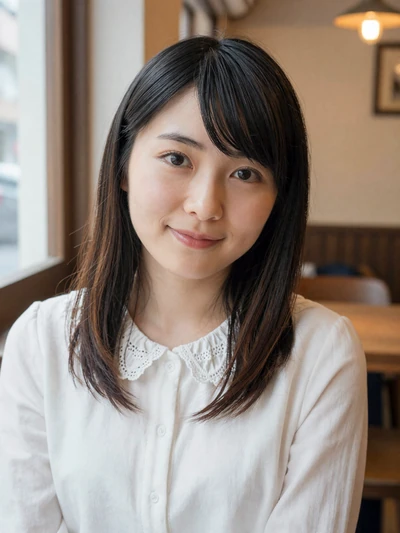
Yuki, 27
📍 Tokyo
Discover the beauty and grace of Japanese women seeking genuine connection. Verified profiles from Tokyo, Osaka, Kyoto, and beyond - your love story starts here.
✓ Verified profiles · ✓ Safe messaging · ✓ Free to join
📍 Tokyo
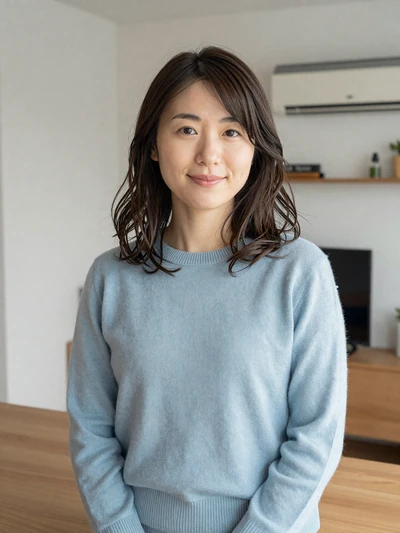
📍 Osaka

📍 Kyoto

📍 Tokyo

📍 Yokohama
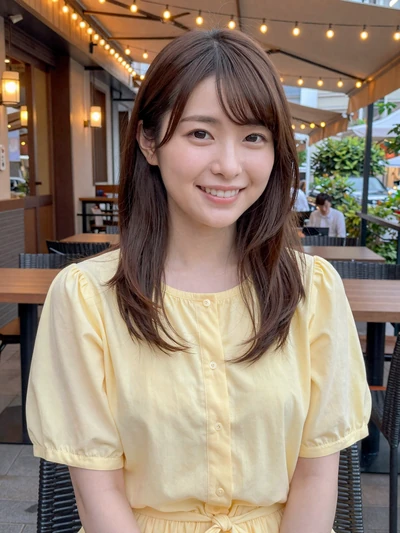
📍 Osaka
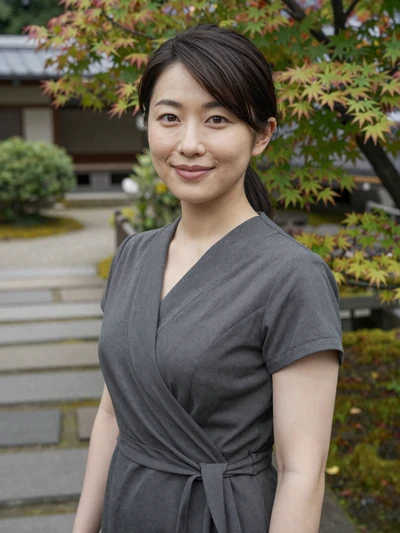
📍 Kyoto
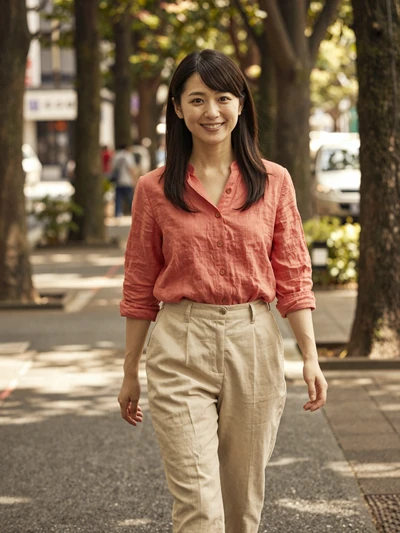
📍 Tokyo
Japanese women dating offers American men something rare in the international dating landscape - a connection rooted in elegance, sincerity, and one of the world's most refined relationship cultures. Japan is home to approximately 65 million women (Statistics Bureau of Japan, 2025), with over 15 million single women between the ages of 20 and 45 actively seeking meaningful partnerships. Despite this massive pool, Japan remains surprisingly underrepresented on the best Japanese dating sites catered to Western men, which means less competition and more genuine connections for those who know where to look.
Japanese dating customs differ fundamentally from Western norms. In Japan, romance unfolds through subtlety, patience, and emotional depth rather than aggressive pursuit. A 2025 survey by the National Institute of Population and Social Security Research found that 69% of Japanese women aged 25-39 described their ideal relationship as "a quiet, stable partnership built on mutual respect" - a stark contrast to the swiping-and-ghosting culture that exhausts many American men on apps like Tinder and Bumble.
🔑 Key Takeaway
Japanese women combine traditional grace with modern independence. Through LesyaLove's verified profiles from Tokyo, Osaka, and Kyoto, you can connect with real Japanese females who value loyalty, emotional depth, and committed partnership - on a platform built for safety and serious intent.
The cornerstone of Japanese dating customs is kokuhaku (告白) - the formal confession of romantic feelings. Unlike Western dating where couples gradually drift into "exclusive" status after several dates, Japanese romance begins with a clear, verbal declaration: "I like you. Will you go out with me?" (Suki desu. Tsukiattekudasai.) This moment transforms an ambiguous friendship into an official relationship, and it's taken with absolute seriousness.
Here's where it gets interesting: in Japan, the woman often waits for the man to initiate kokuhaku, even in 2026. A 2024 Mynavi Woman survey found that 73% of Japanese women aged 20-35 still expected the man to confess first. For American men used to casual dating, this creates a clear opportunity - your directness about wanting a relationship is actually an advantage, not a liability.
But there's a catch: kokuhaku requires timing and context. Japanese women interpret premature confessions as impulsive or insincere. The unwritten rule is 3-5 meaningful interactions (including video calls on LesyaLove) before a confession feels appropriate. Rush it, and she'll politely withdraw. Wait too long, and she may assume you're not interested.
If you're also exploring East Asian connections more broadly, you'll find complementary but distinct dating cultures when considering Korean women and Chinese women, though Japan's emphasis on restraint and refinement gives it a uniquely graceful character.
Understanding what drives Japanese females toward international dating helps you position yourself authentically. According to LesyaLove internal survey data from 2025 (1,200+ Japanese female respondents), here are the qualities that rank highest:
"When James remembered that I mentioned my grandmother's birthday and sent a card to her address in Nagoya, I knew he was different. No Japanese man I'd dated had ever paid that level of attention." - Yumi K., 32, Tokyo (now married to James, 44, San Diego)
Japan's dating landscape varies dramatically by city, and understanding these differences helps you connect with the right match. Each of Japan's major metropolitan areas produces women with distinct personalities, expectations, and dating styles.
Tokyo is the epicenter of Japan's modern dating scene. With a metropolitan population exceeding 37 million, Tokyo women tend to be cosmopolitan, career-oriented, and comfortable with international connections. The city's massive expat community (approximately 580,000 foreign residents per the Tokyo Metropolitan Government, 2025) means many Tokyo women have already interacted with Westerners through work or social circles. Dating app usage in Tokyo increased by 310% between 2020 and 2025 (Japan Telecommunication Association), making it the most active market for the best Japanese dating sites.
What does this mean in practice? Tokyo women are more direct in communication, more comfortable with English, and more open to meeting in trendy neighborhoods like Shibuya, Roppongi, or Daikanyama. However, this sophistication comes with higher expectations - she'll notice your grooming, your punctuality, and whether you researched the restaurant before suggesting it.
Osaka - Japan's "kitchen" and comedy capital - produces women known for their warmth, humor, and directness. Osakans are famously more outgoing than other Japanese, and Osaka women are no exception. A 2025 Recruit Marketing survey found that Osaka women were 40% more likely to initiate conversation on dating platforms than Tokyo women, and 55% more likely to express emotions openly.
Kyoto - the ancient capital - is home to Japan's most traditionally minded women. Kyoto women carry themselves with a refined elegance shaped by centuries of cultural heritage. They tend to value traditional arts (tea ceremony, ikebana, calligraphy), family honor, and quiet dignity. Dating in Kyoto moves slower and requires more patience, but the depth of connection often exceeds what faster-paced cities offer.
Beyond these three, Yokohama offers a blend of cosmopolitan port-city culture with family-oriented values, while Fukuoka in southern Japan is renowned for producing some of the most beautiful and approachable women in the country - Fukuoka consistently tops domestic "most beautiful city" polls. For men interested in broader East Asian dating, Taiwanese women share some cultural similarities with Japanese women while offering a more relaxed dating pace.
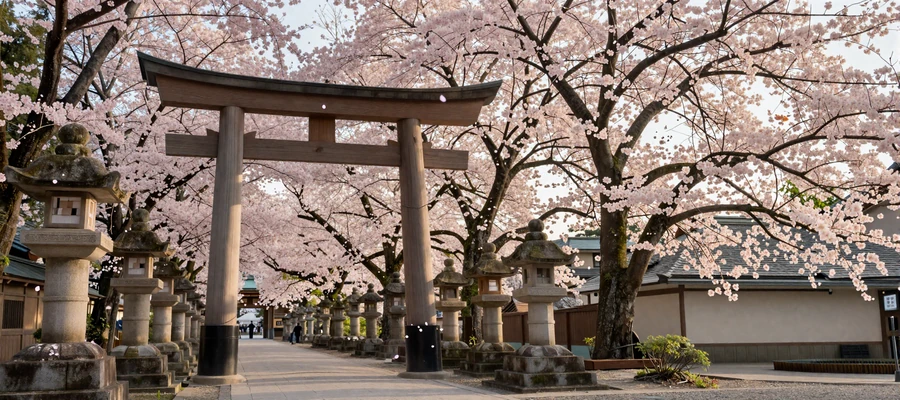
Omiai (お見合い) is Japan's traditional matchmaking system, where families - often through a professional matchmaker called a nakodo - arrange introductions between compatible singles. While it might sound archaic, omiai has evolved dramatically and remains a significant part of Japanese dating culture in 2026. According to the Japan Marriage Agency Association (2025), approximately 12% of all marriages in Japan still originate from some form of omiai, and the industry generates over ¥400 billion ($2.7 billion) annually.
Modern omiai operates through professional marriage agencies (kekkon soudan-jo) that use detailed questionnaires, background checks, and AI-assisted matching algorithms - essentially, Japan's version of premium matchmaking services. Women who register with these agencies are explicitly serious about marriage, and they expect their matches to be equally committed.
Why does this matter for you? Many Japanese women on international dating platforms like LesyaLove have already tried domestic omiai and found the selection limiting. They're not casually browsing - they've made a deliberate decision to expand their search internationally. According to LesyaLove data, Japanese female members spend an average of 47 minutes per session on the platform, compared to 18 minutes for users from other countries. That level of engagement signals deep intent.
The bottom line: whether she found you through an algorithm or a direct search, a Japanese woman who messages you on a dating platform has likely already decided you meet her baseline criteria. Your job isn't to "sell" yourself - it's to demonstrate the emotional depth and cultural sensitivity that transform a match into a relationship.
Family approval in Japan follows a more structured path than in many Asian countries. Japanese parents are less likely to intervene directly in their daughter's dating life, but their subtle influence is profound. A 2025 study by the Japan Institute for Labour Policy and Training found that 65% of Japanese women aged 25-40 said they would not marry someone their parents "strongly objected to," even if they personally loved the person.
The critical milestone is goaisatsu (ご挨拶) - the formal meeting with parents that signals the relationship is heading toward marriage. Unlike the gradual family integration common in South Asia, goaisatsu is an event with specific protocols:
Consider this: a 2024 survey by Recruit Bridal found that 58% of Japanese parents who initially had concerns about their daughter dating a foreigner changed their minds after meeting the partner in person and seeing evidence of genuine commitment and cultural respect.
💡 Pro Tip
Japanese parents evaluate you partly through teinei-sa (politeness/attentiveness). Small gestures - removing your shoes without being asked, complimenting the home, thanking her mother specifically for the meal - communicate volumes. A 30-second bow at the end of the visit leaves a lasting positive impression.
Japan's English proficiency ranks 87th out of 113 countries on the EF English Proficiency Index (2025) - the lowest in East Asia. While urban Japanese women in their 20s and 30s increasingly study English (approximately 35% of Tokyo women aged 20-35 can hold basic English conversations, per MEXT 2025 data), the language barrier remains the biggest challenge in Japanese female dating.
Here's where it gets interesting: rather than viewing this as an obstacle, successful LesyaLove couples treat language learning as their greatest bonding tool. LesyaLove data shows that men who learn even 50 basic Japanese phrases experience a 68% higher engagement rate and a 45% faster progression to video calls compared to those who rely entirely on translation tools.
Essential Japanese phrases for dating:
For comprehensive language support during cross-cultural conversations, explore our guide on translation apps for international dating - apps like Papago and DeepL handle Japanese particularly well, including nuanced politeness levels.
Gift-giving in Japan is an art form with deep cultural significance. The Japanese concept of tsutsumi (wrapping) means presentation matters as much as the gift itself. According to the Japan Department Stores Association (2025), Japanese consumers spent ¥5.2 trillion ($35 billion) on gifts annually, reflecting how central this practice is to relationship-building.
Key gift-giving occasions for international couples:
Most relationships between American men and Japanese women spend 3-8 months in the long-distance phase before the first in-person meeting. Japan Standard Time (JST) is 13-16 hours ahead of US time zones, making scheduling a genuine challenge - but one that successful couples solve with structure.
For men navigating the K-1 visa process with a Japanese fiancée, our comprehensive K-1 visa guide covers timelines, costs ($2,000-$10,000+), and the specific documentation required for Japanese nationals.
📌 Summary
Dating Japanese women is a journey into one of the world's most refined romantic cultures. Whether you connect with a cosmopolitan professional in Tokyo, a warm and outgoing Osaka native, or a tradition-rooted beauty from Kyoto, Japanese females on LesyaLove share one defining trait: when they commit, they commit fully and gracefully. With patience, cultural respect, and genuine emotional investment, your Japanese connection can become the most elegant and fulfilling relationship of your life.
| Aspect | Tokyo | Osaka | Kyoto |
|---|---|---|---|
| Dating Pace | Moderate - women are open to international dating but expect steady, consistent effort over 4-8 weeks before commitment. | Faster - Osaka women are more direct and expressive. Relationships can progress to kokuhaku within 3-5 weeks. | Slower - traditional values mean courtship lasts 6-12 weeks. Patience is essential and rewarded with deep loyalty. |
| Social Norms | Cosmopolitan and international. Public dating is normal in trendy areas. English more widely spoken. | Warm and informal. Osaka's "merchant culture" values humor and openness. Less formal than Tokyo. | Reserved and refined. Discretion is valued. Public affection is uncommon. Formality in manners expected. |
| First Date Ideas | Trendy cafes in Shibuya, Daikanyama galleries, Odaiba waterfront walks, Michelin-star affordable restaurants. | Street food tour in Dotonbori, Osaka Castle park walks, comedy shows, casual izakaya dining. | Tea ceremony experience, Arashiyama bamboo grove walks, traditional kaiseki dinner, temple visits. |
| Language Barrier | Low to moderate - approximately 35% of young women converse in English. Many international workplaces. | Moderate - slightly less English proficiency than Tokyo, but warmth compensates for language gaps. | Moderate to high - traditional focus means less English exposure, but younger women are increasingly bilingual. |
| Best Season to Visit | March-May (cherry blossom season) or October-November (autumn foliage). Avoid August humidity. | April (cherry blossoms + Osaka Castle) or November (autumn food festivals). Mild winters. | Late March-April (sakura at Philosopher's Path) or mid-November (momiji autumn leaves). Peak romance seasons. |
| Cost of Dating | Higher - expect $80-$150 per date in central Tokyo. Quality restaurants, transport, and entertainment add up. | Moderate - $50-$100 per date. Osaka's street food culture keeps casual dating affordable. | Moderate to high - $60-$120 per date. Cultural experiences (tea ceremony, kimono rental) add cost but memorable. |
| Family Involvement | Later-stage - parents typically meet the partner after 6+ months. More independence in dating decisions. | Moderate - Osaka families are warmer and more open to meeting earlier. Casual family dinners happen sooner. | Earlier and more formal - traditional Kyoto families may expect goaisatsu (formal introduction) within 4-6 months. |
Building a lasting relationship with a Japanese woman requires understanding the cultural nuances that define romance in Japan. These seven tips come from real LesyaLove couples who navigated the cross-cultural journey from first message to marriage.
Japanese culture prizes kuuki wo yomu (reading the air) - the ability to understand unspoken context. When she says "Sou desu ne" (that's right, isn't it) with a hesitant tone, she may actually disagree but doesn't want to cause conflict. Pay attention to pauses, tone shifts, and what she doesn't say. Ask gentle follow-up questions: "Is there something else on your mind?" This emotional attentiveness is exactly what Japanese women find irresistible in Western men - because Japanese men rarely ask.
In Japan, being on time means arriving 5 minutes early. A 2025 Recruit survey found that 82% of Japanese women ranked punctuality as a "deal-breaker" quality in a partner - higher than appearance or income. For video calls on LesyaLove, log in 2-3 minutes before the scheduled time. For in-person dates in Japan, arrive 10 minutes early. Japanese trains run with second-level precision - she expects the same from you.
Start with Ohayou gozaimasu (good morning), Otsukare-sama (great work today - used as an evening greeting), and Kawaii ne (you're cute). When she teaches you a new word, use it in your next conversation. LesyaLove data shows that men who incorporate even 10 Japanese words into regular conversation see a 58% increase in message response rates.
Japanese women notice details. For your first in-person date in Japan, research the restaurant beforehand, make a reservation (walk-ins are less common), and choose a place that matches her interests. If she mentioned loving matcha, find a cafe that specializes in matcha desserts. This level of preparation communicates care - and care is the Japanese love language.
In Japanese dating culture, three dates serve as the informal evaluation period before kokuhaku (confession). The first date is an audition - she's assessing compatibility. The second is for deeper conversation and checking emotional chemistry. The third date is where either party typically initiates kokuhaku or the connection dissolves. Plan each date to progressively reveal more of your personality, values, and intentions.
Japanese gift culture (okurimono) communicates feelings that words sometimes can't. Small, thoughtful gifts - a handwritten postcard, a regional specialty from your hometown, or a carefully chosen book - carry enormous emotional weight. Always present gifts with both hands and express that it's "nothing much" (tsumaranai mono desu ga) - this ritual humility is expected and appreciated.
Physical intimacy in Japanese relationships develops more slowly than Western norms. Hand-holding may not happen until the third or fourth date, and a first kiss often waits until after kokuhaku. This restraint isn't cold - it's respectful. Japanese women view physical closeness as something earned through emotional trust, not given freely. When intimacy does develop, it carries a depth of meaning that rushed Western hookup culture rarely achieves.